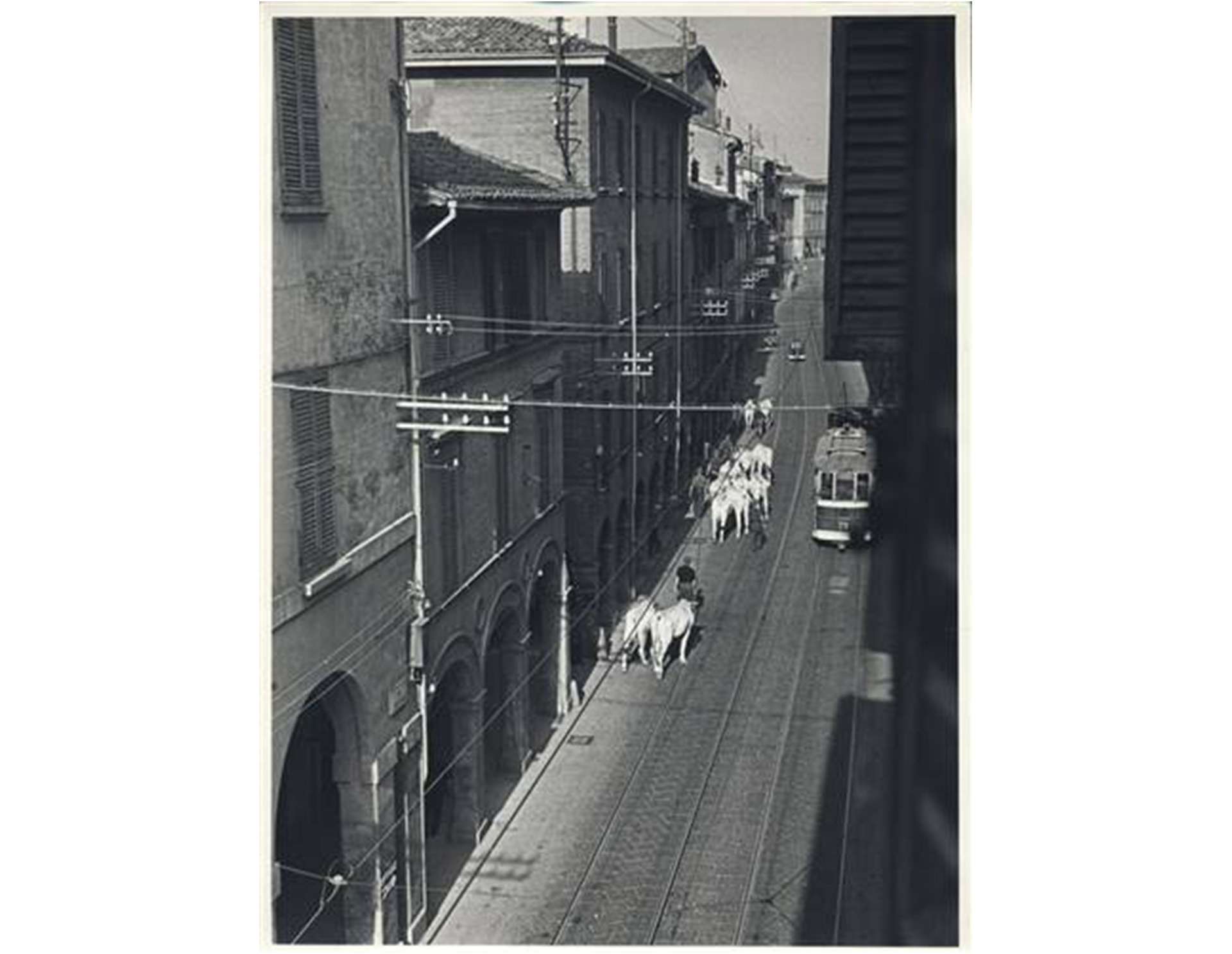
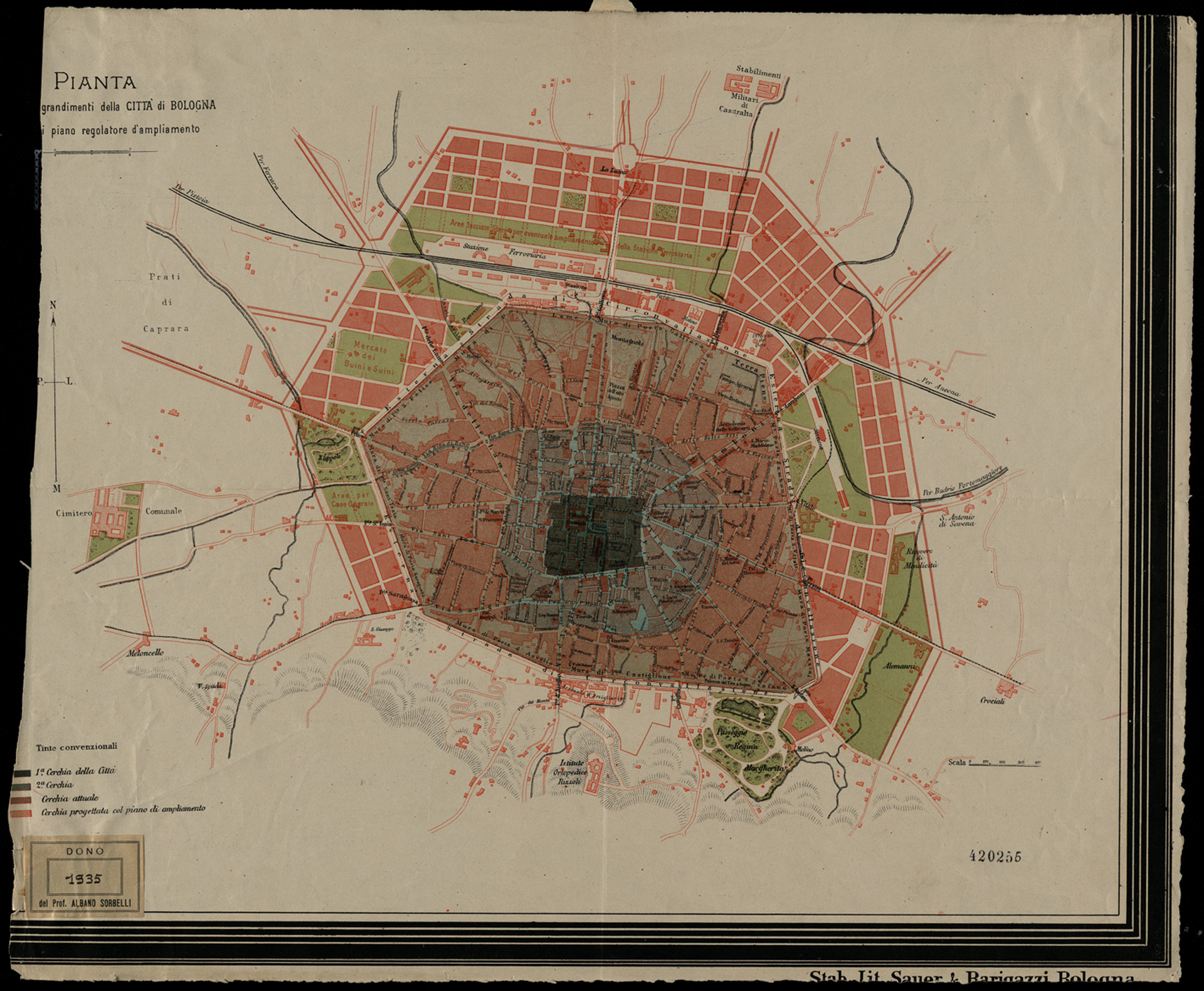
In the late 1800s and early 1900s, the population of Bologna was still modest, with many spaces unbuilt. From outside, the city appeared surrounded by walls, separated from the countryside and its surroundings by a high ring built in the 1300s. Something began to change in 1878, however, when City Counsellor Angelo Marescotti suggested demolishing the walls.
In 1885, his project served as the reference for city technicians preparing the new General Regulatory Plan of Bologna, which was approved by the City Council the following year. The city was preparing to change its look. In the wake of the dominant trend inspired by French urban planner George Eugène Haussman — who had created large boulevards by tearing down medieval Paris — Bologna was divided between two opposing lines of intervention. One, supported by Rodolfo Pezzoli, pushed to tear it all down. The other, guided by Alfonso Rubbiani, proposed its complete preservation. The desire for progress won out over protecting the traces of the past and in 1902, the city administration, guided by Mayor Alberto Dallolio, opened the way to the first demolition, which continued without precise structural coherence even after Enrico Golinelli took office.
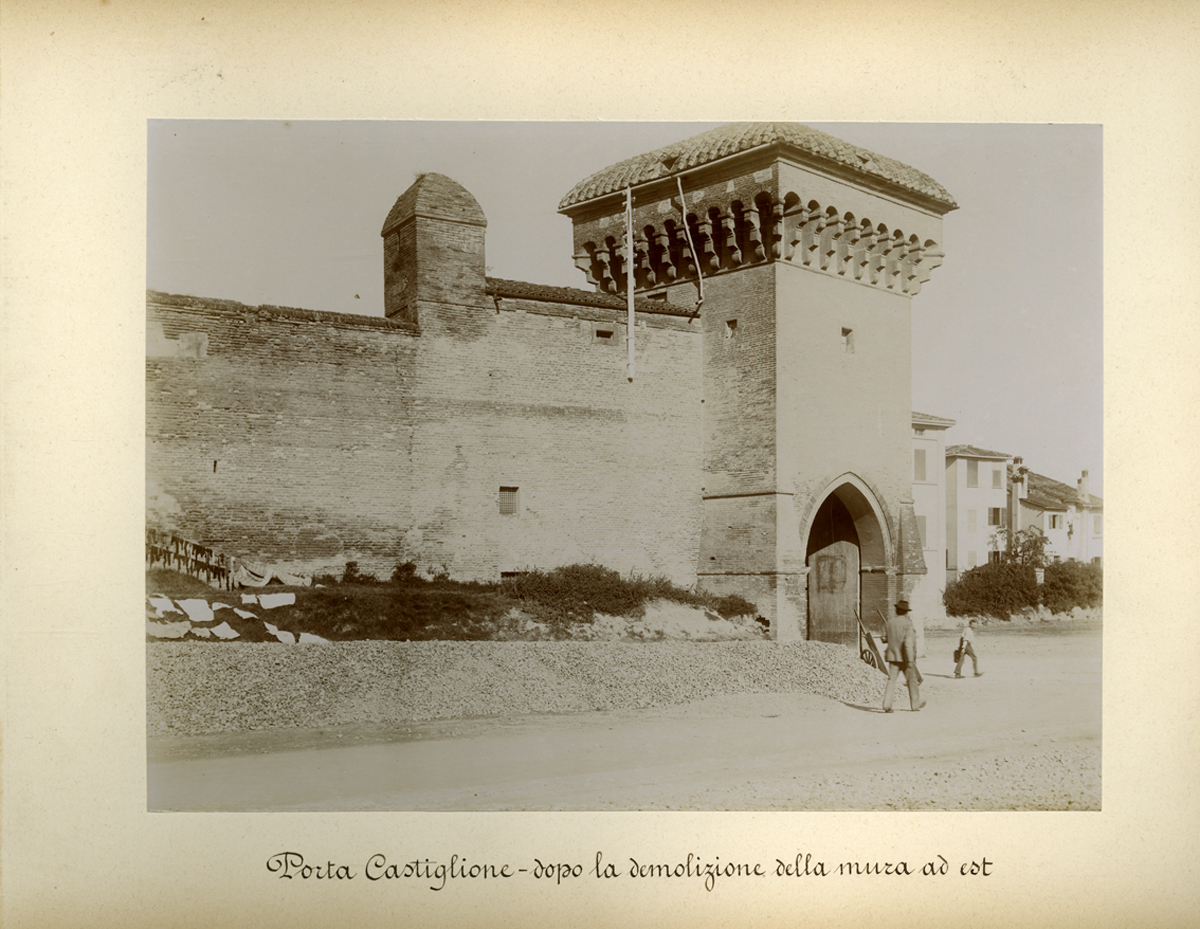
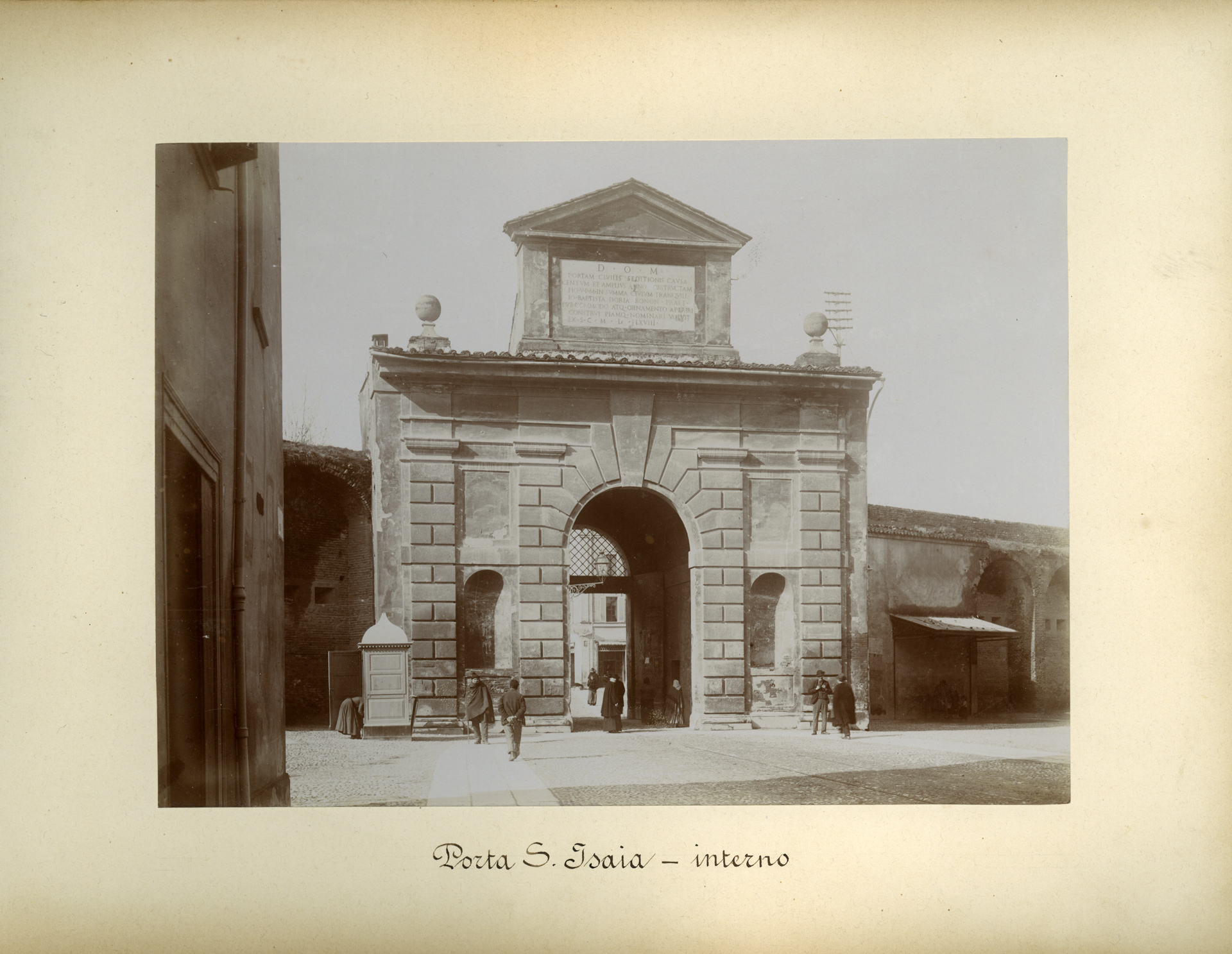
Nearly all the gates of the old city were saved. In 1903, the city administration decreed the demolition of Porta S. Mamolo, which was considered a hindrance for vehicular traffic and an impediment for the construction of the electric tram line. Porta Sant’Isaia was judged to be unstable.
A few very short stretches of the walls remained standing, primarily due to the presence of churches — the Sanctuary of Madonna del Soccorso on Viale Masini among many — whose rear walls rested against the city walls.
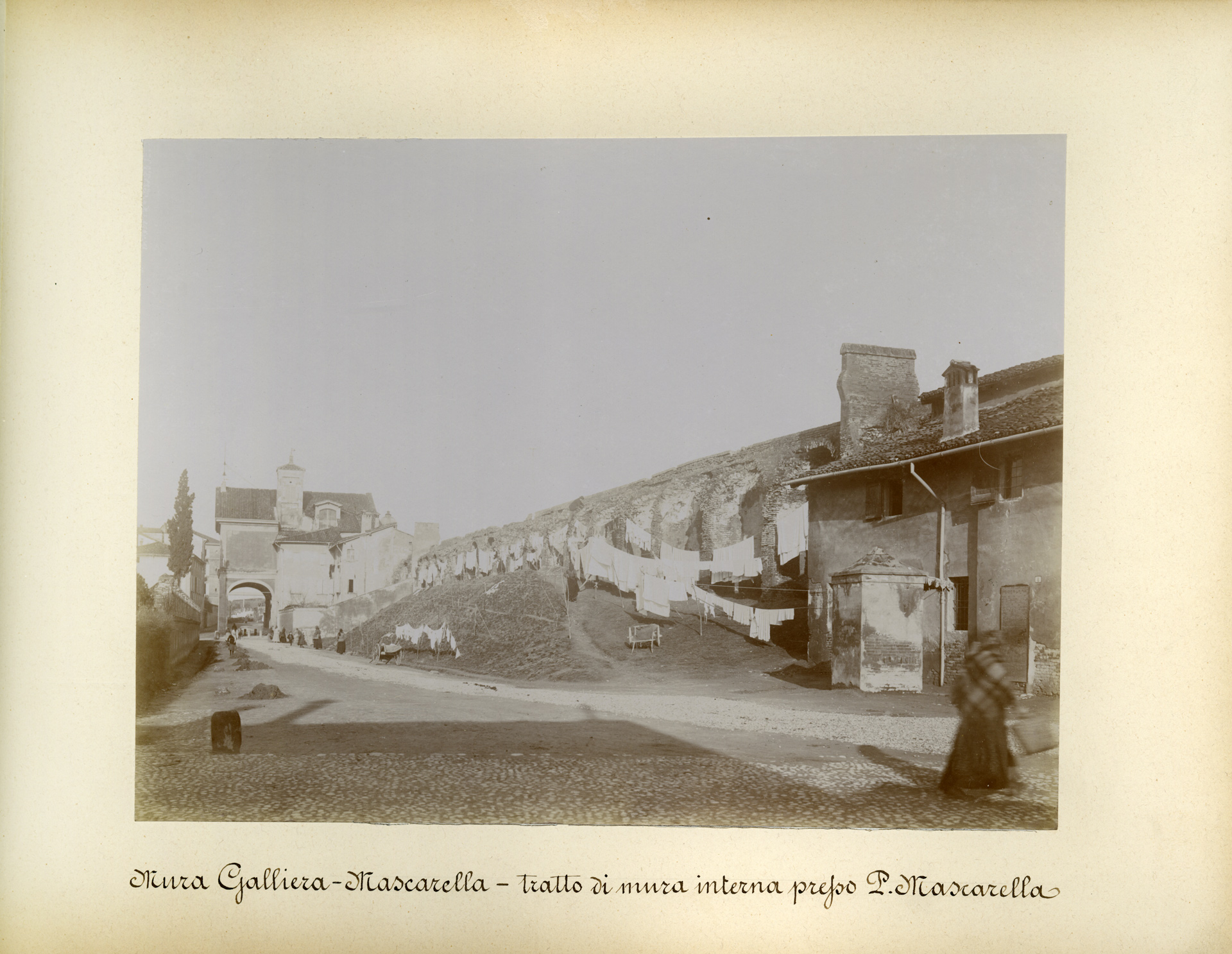
The longest stretch of city wall still visible is on Viale Berti Pichat between Porta Mascarella and Porta S. Donato. The Regulatory Plan of 1889 was designed as an intervention to modify and improve the general conditions of the city to solve hygienic, moral, housing, and manufacturing problems. In 1909, work began to tear down Mercato di Mezzo, which would forever change the urban appearance of the historical centre.
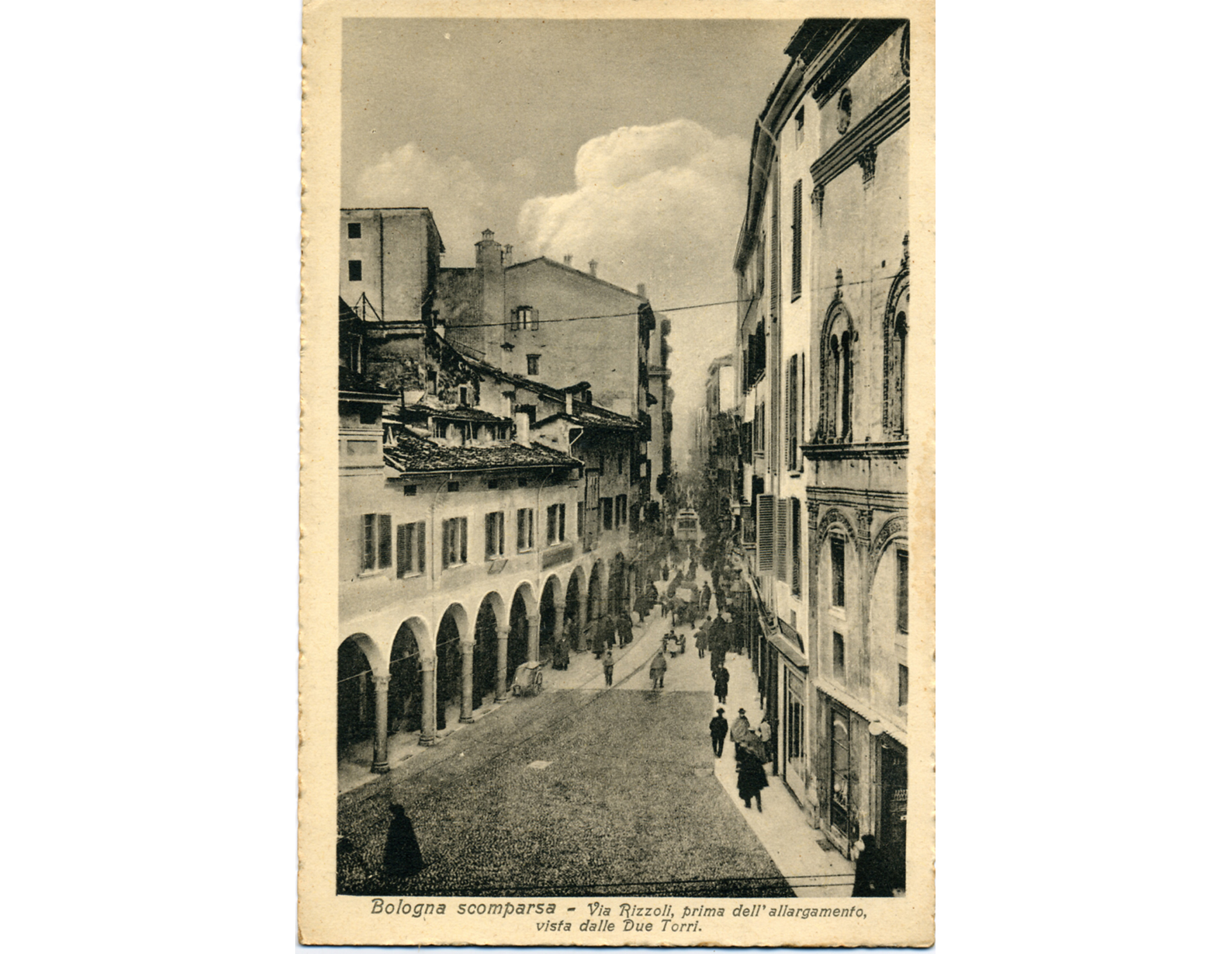
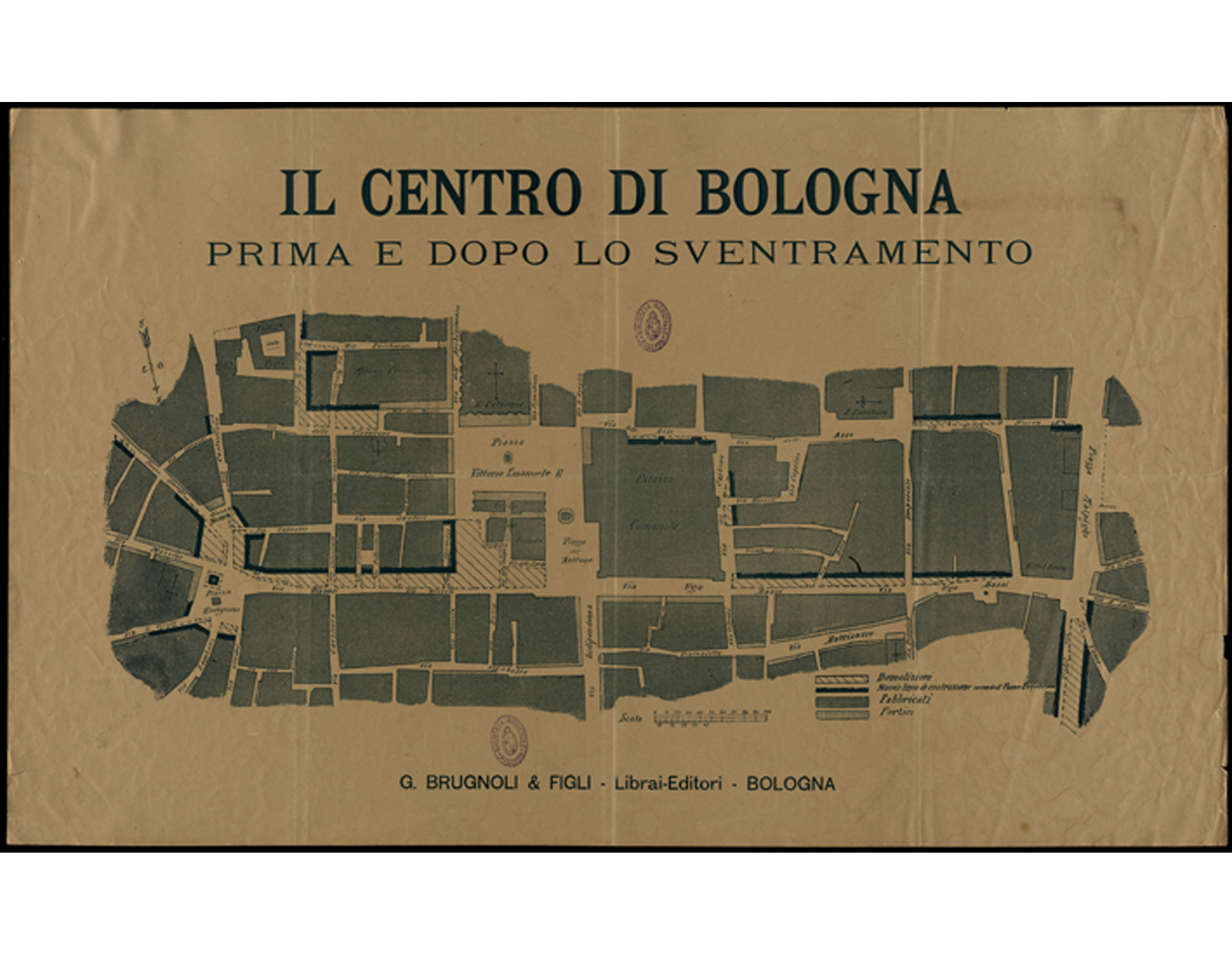
The city expanded towards the north/north-east along the physical border of the railway, while the new neighbourhoods of Bolognina and Cirenaica welcomed the settlement — still often under precarious hygiene/health conditions — of a new worker class.
Various bills, first advanced by the Historical Right party and then by the Socialists, offered incentives for builders and municipalities to construct public housing. Still the urban rearrangement did not stop. After the First World War, under the banner of the "Fascist healing pickaxe", large boulevards were opened and lower-class families were pushed into peripheral areas that became veritable country outposts of the city. The Second World War invaded the urban fabric significantly. In the last years of the conflict, bombings cost the city the total destruction of 16% of buildings and serious damage to another 28%.
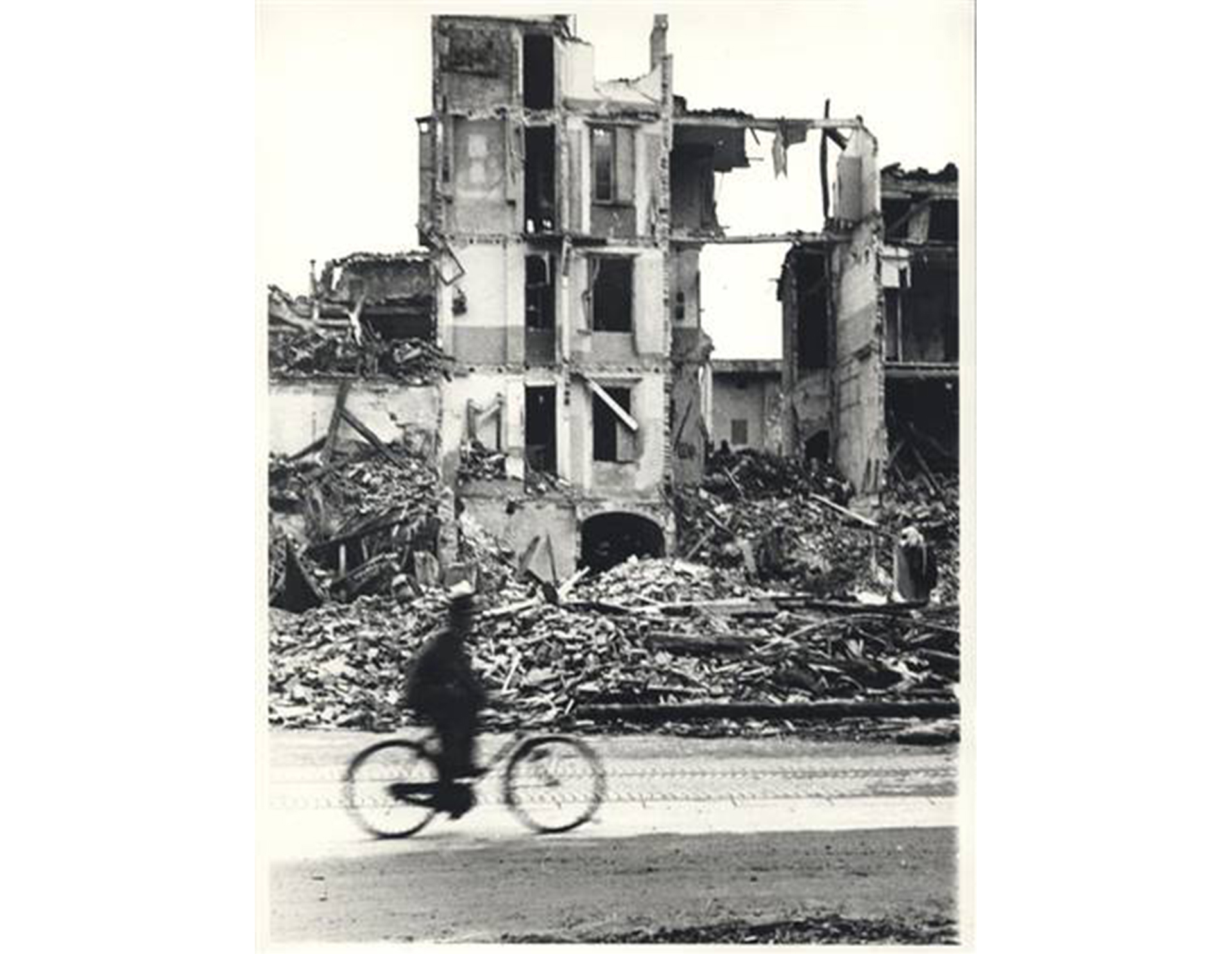
The identity of Bologna also changed. Emptied due to evacuations, an overload of functions in the city became indispensable as a result of difficult supplies in the countryside. The country overwhelmingly entered the city, even in the historical centre, where it was not unusual to find stables and animals.