Urban Galleries is a website dedicated to the transformations experienced by Bologna and the metropolitan area from the end of the 1800s up to today. The story winds through a selection of images from public and private. Photographic archives. This website accompanies and rounds out the Gallery section of Innovazione Urbana Lab in Palazzo d’Accursio, which recounts the changes in the city of Bologna
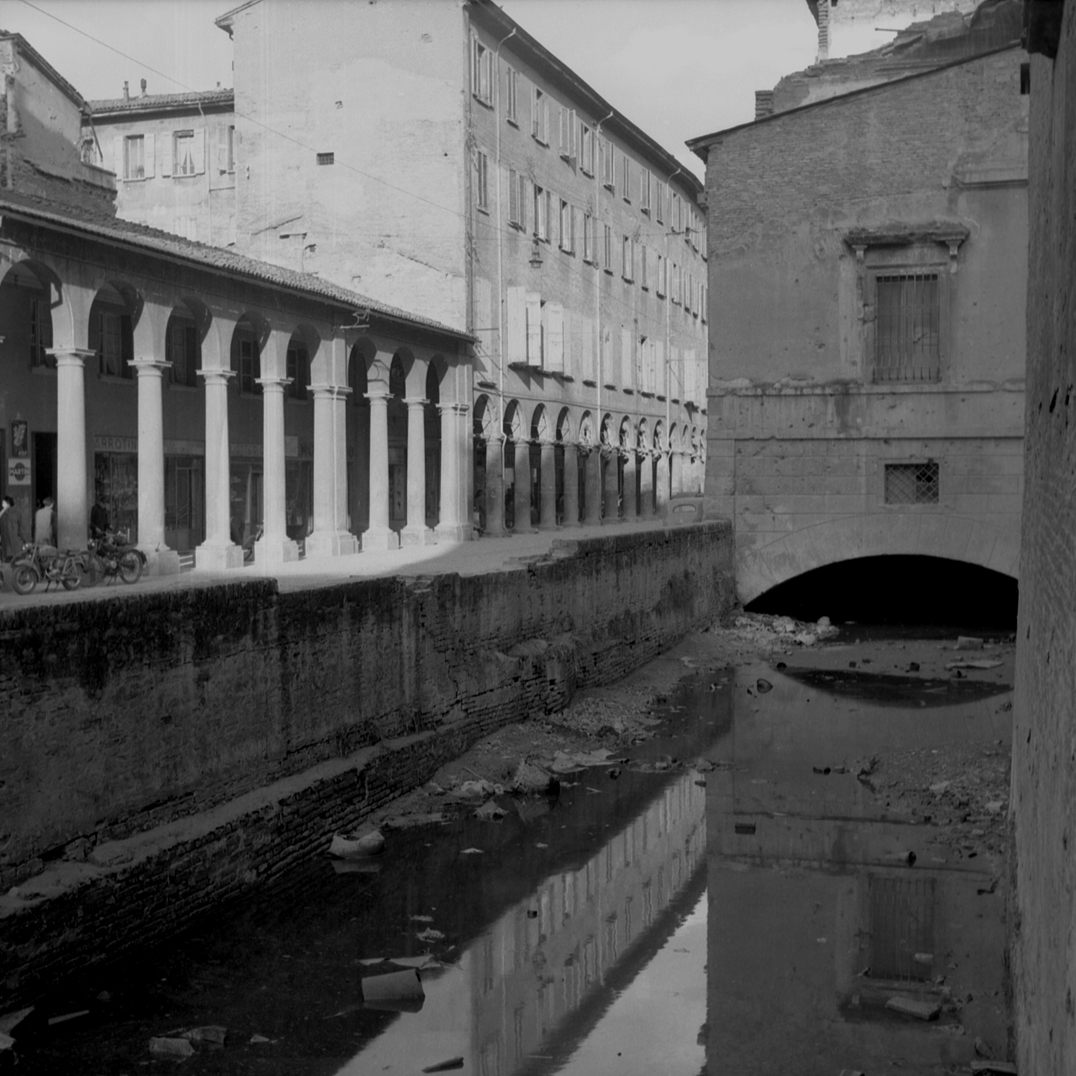
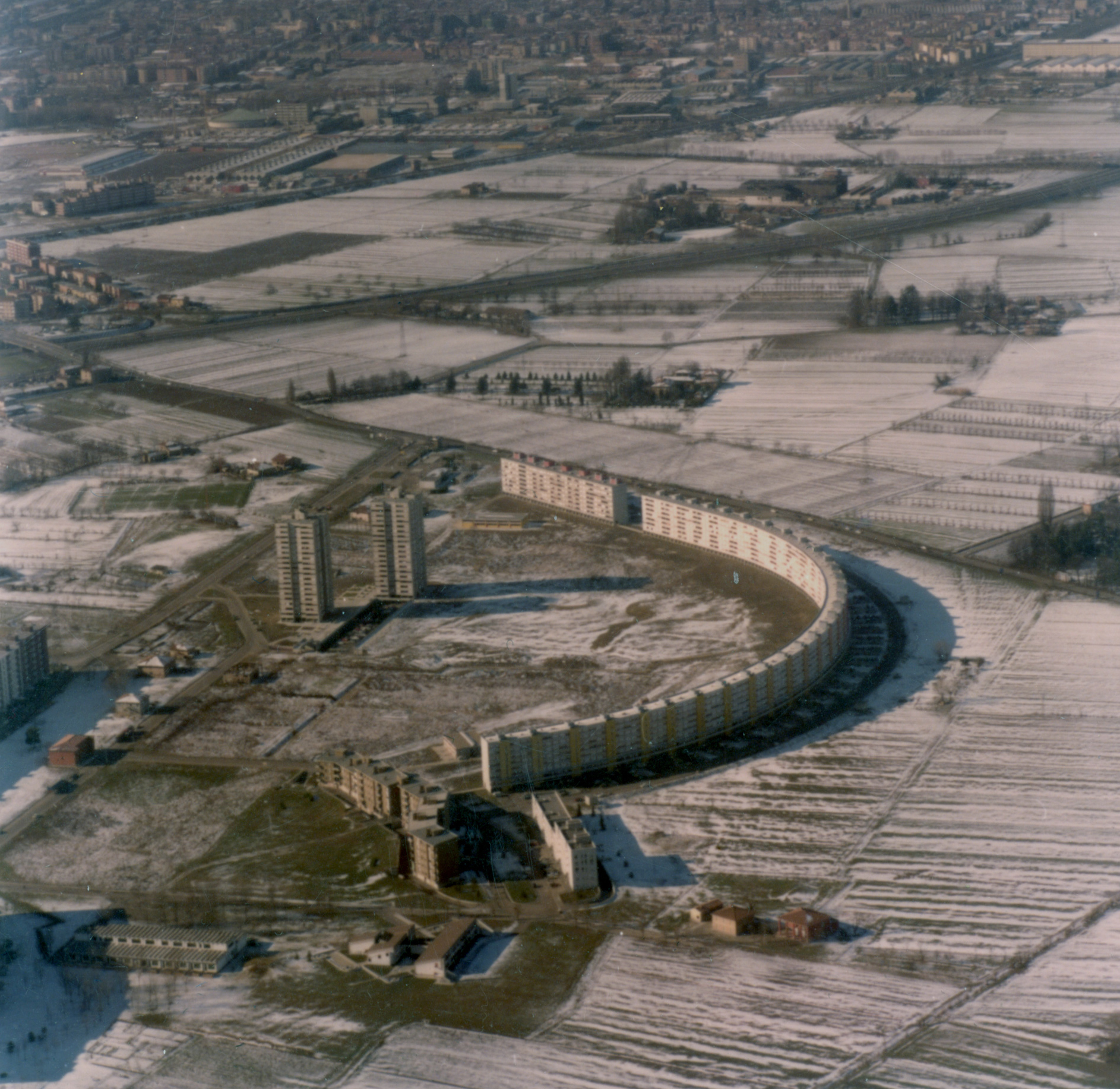
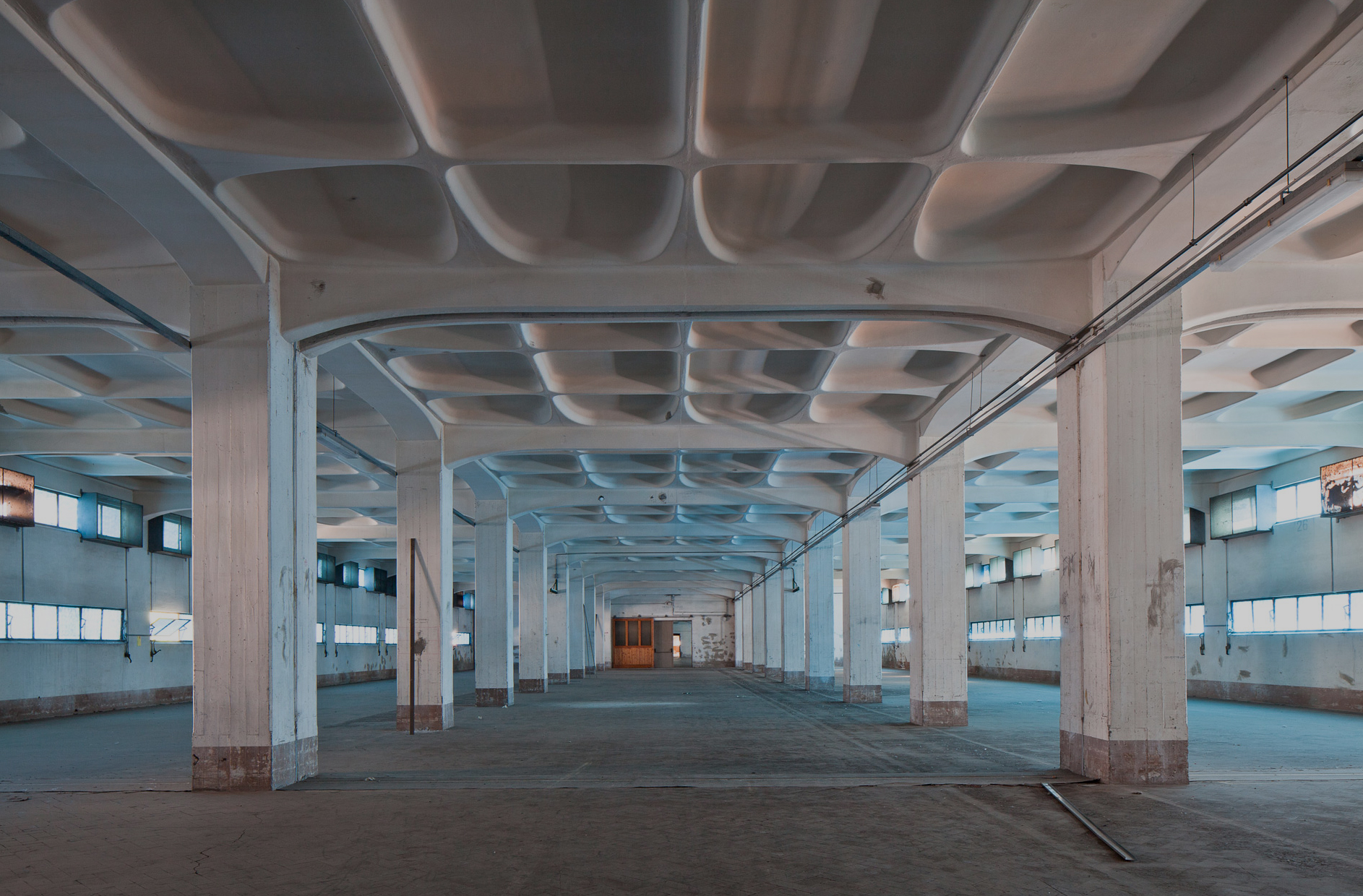
The goal is to describe the evolution of the urban space while going beyond the common morphological description. Three key moments in the history of urban transformations in Bologna in the last century have been identified: the agricultural and commercial city of the first half of the twentieth century, which expanded beyond the medieval city walls and preserved its basic characteristics until after the Second World War (The city beyond the walls); the city of the economic boom, which expanded beyond the city’s administrative borders and grew to a metropolitan size due to the expansion of manufacturing (The metropolitan area); and finally, the post-Fordist city, where the urban territory has become marked by the progressive disappearance of what were once production spaces and given new meaning starting with different uses and new subjectivity (Full and empty spaces).