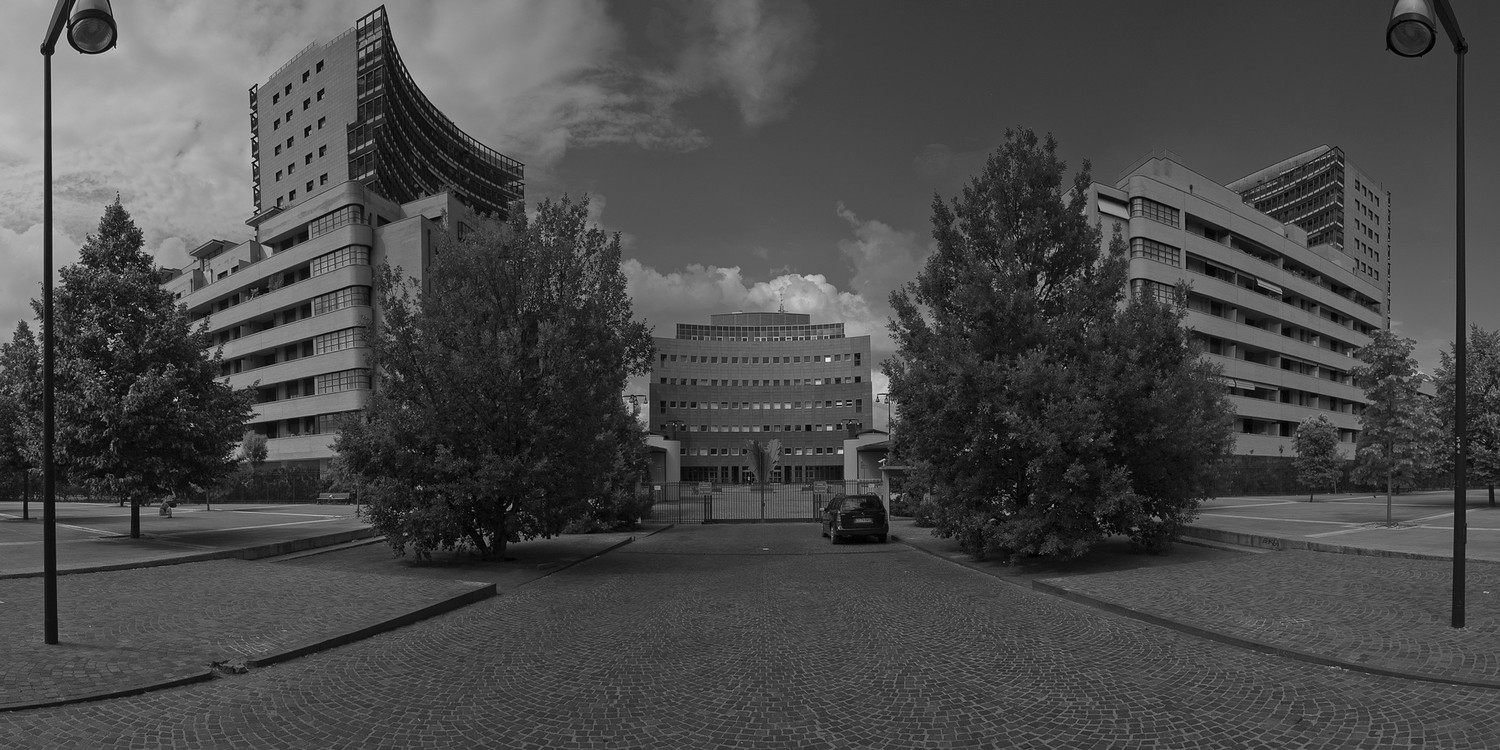
In the 1980s and 1990s, Bologna experienced a process of deindustrialization and changes to the economic structure that, built on small factories, had formed part of its identity following the war. As in the more classic scenario of the post-Fordist economy, urban reconfiguration led to "empty spaces" developing in a waning industrial context. People therefore did not move around in this scenario, but buildings were realized in a present still experiencing active transformation.
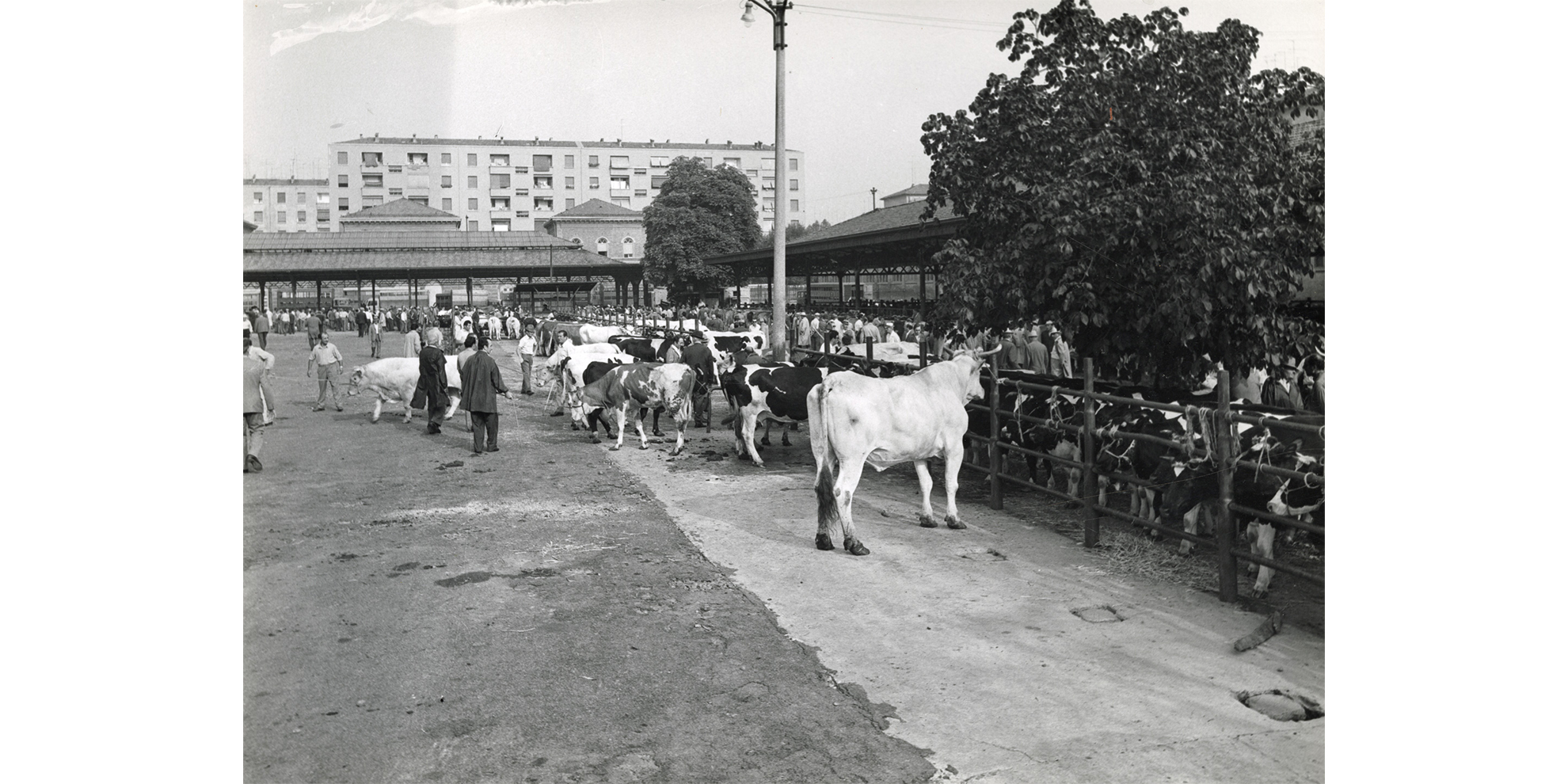
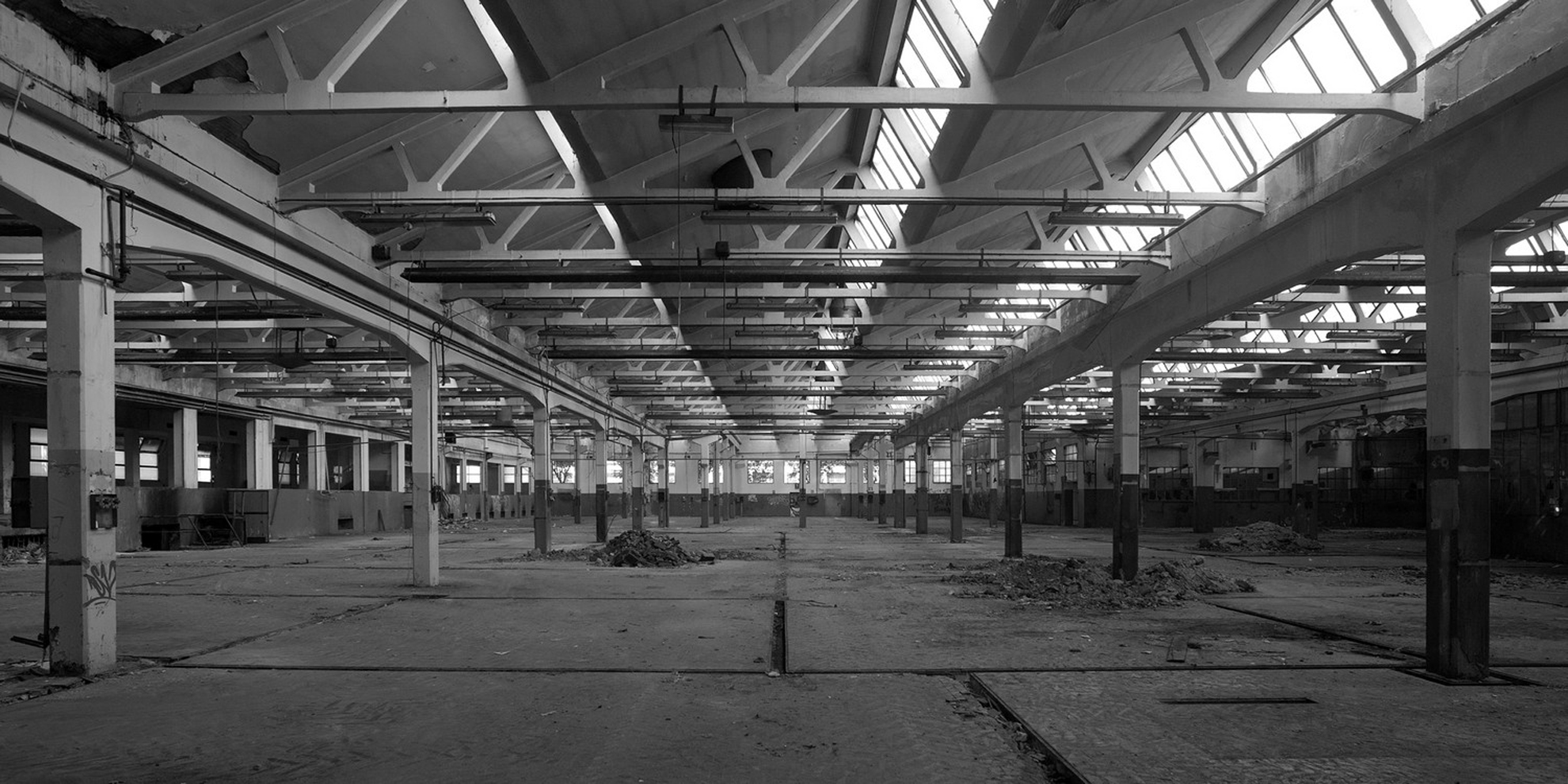
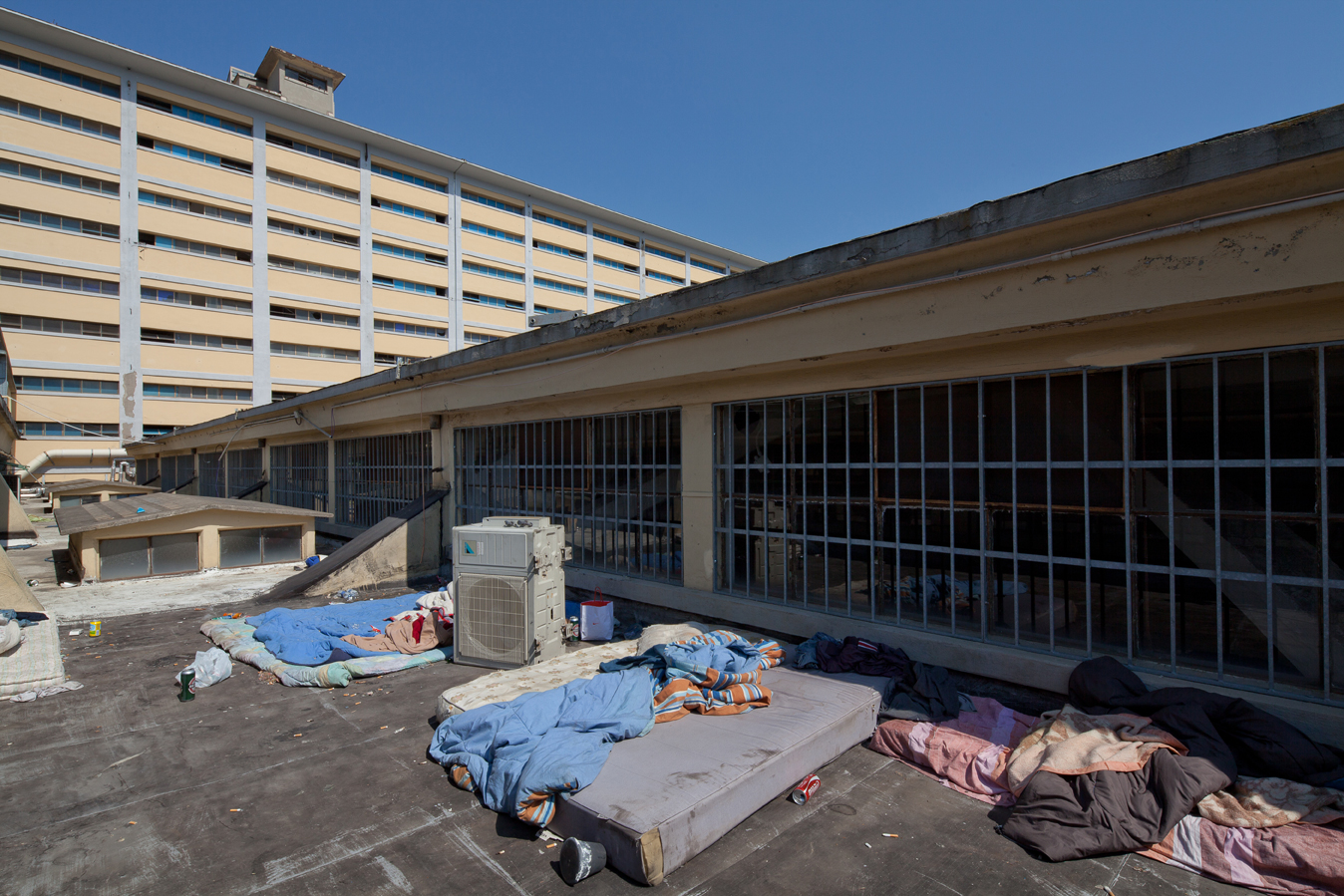
In many cases, these spaces were immediately transformed, creating the context for other types of production and uses, primarily for the emerging service sector or residential purposes. In other cases, abandoned areas developed in which urban and social degradation were not uncommon.
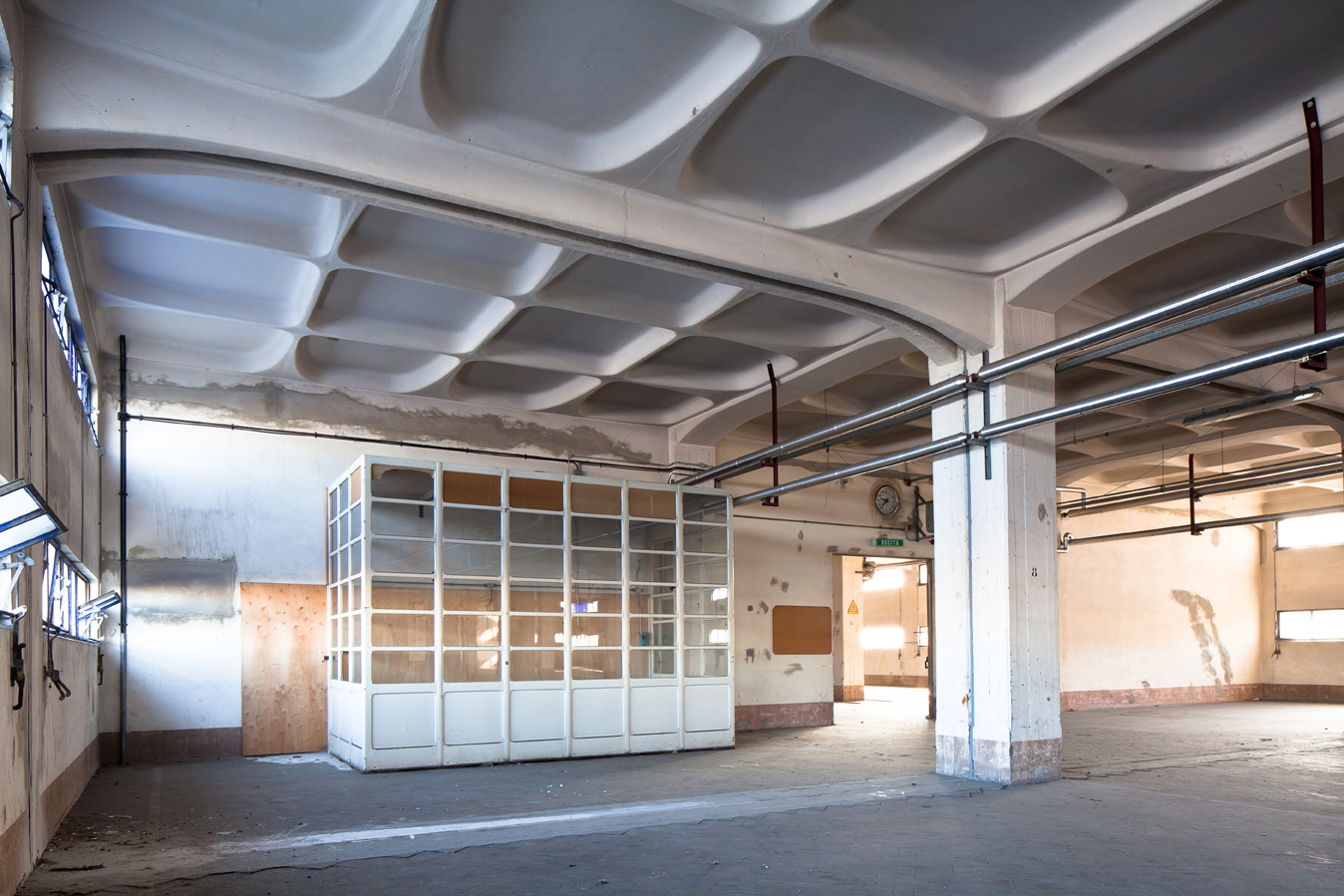
The city changed, and with it its residents. The composition of labour in the metropolitan area shifted from manufacturing to services. Daily life and consumption habits changed, along with the distribution of the population around the province. From the beginning of the 1970s to the early 2000s, nearly a quarter of the city’s residents left Bologna for a metropolitan area undergoing strong growth. Structural changes corresponded to new uses of the urban space, unexpected challenges to which the city showed a desire to respond.
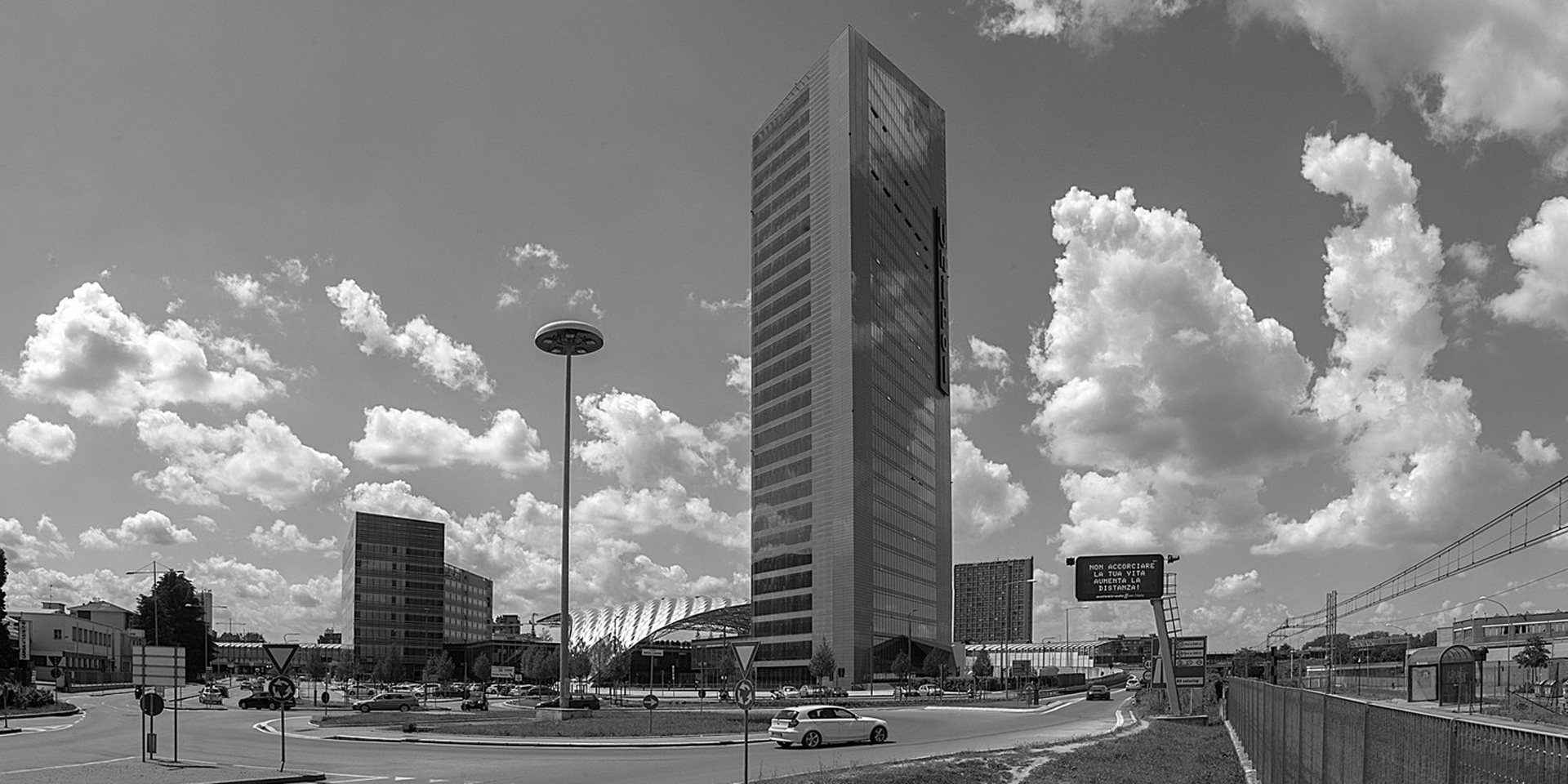
The criteria used to examine urban planning interventions changed very fast. The idea of comprehensive urban planning was slowly abandoned in favour of parcelled, "project-based" interventions. Bologna was moving amid globally changing political and economic scenarios that intersected with significant political discontinuities on the local level.
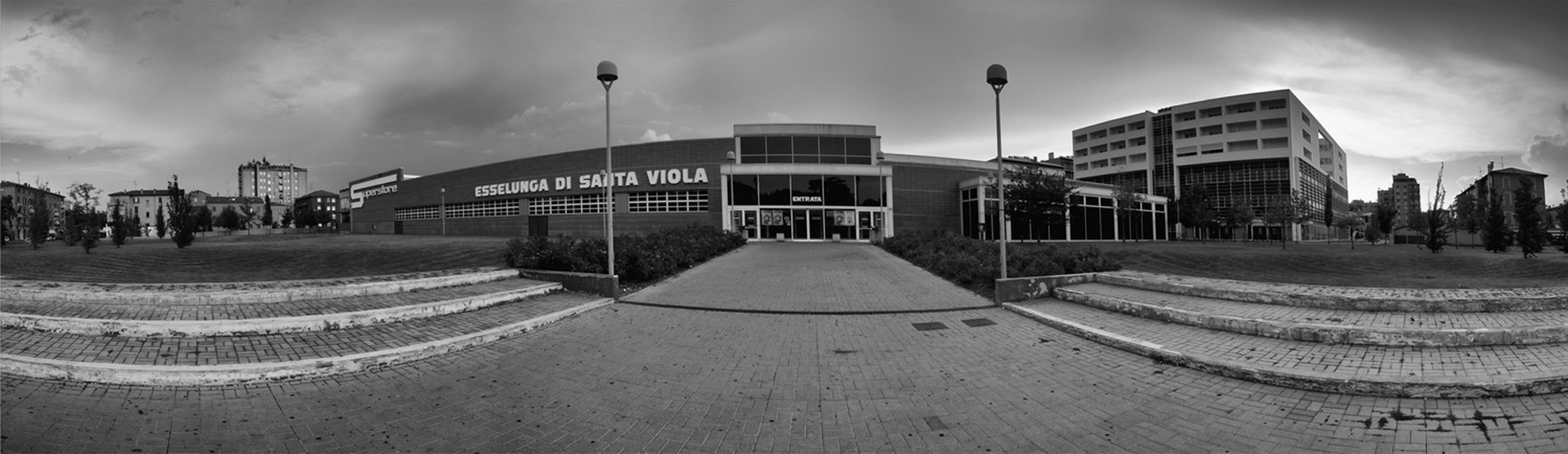
Buildings representing former activities were reused in a modern way and extensive renovations brought new light to entire areas, thereby favouring the expansion of the urban centre through its connection with the suburbs.